
Gemini 4 Carbon vs Gemini 4 Argon for a Rap Duo Release Brief
Turn two performers’ notes into a one-page release brief. See when Gemini 4 Argon can draft it and when Carbon can help reconcile conflicting decisions.
What's new on this page
- — Page published.
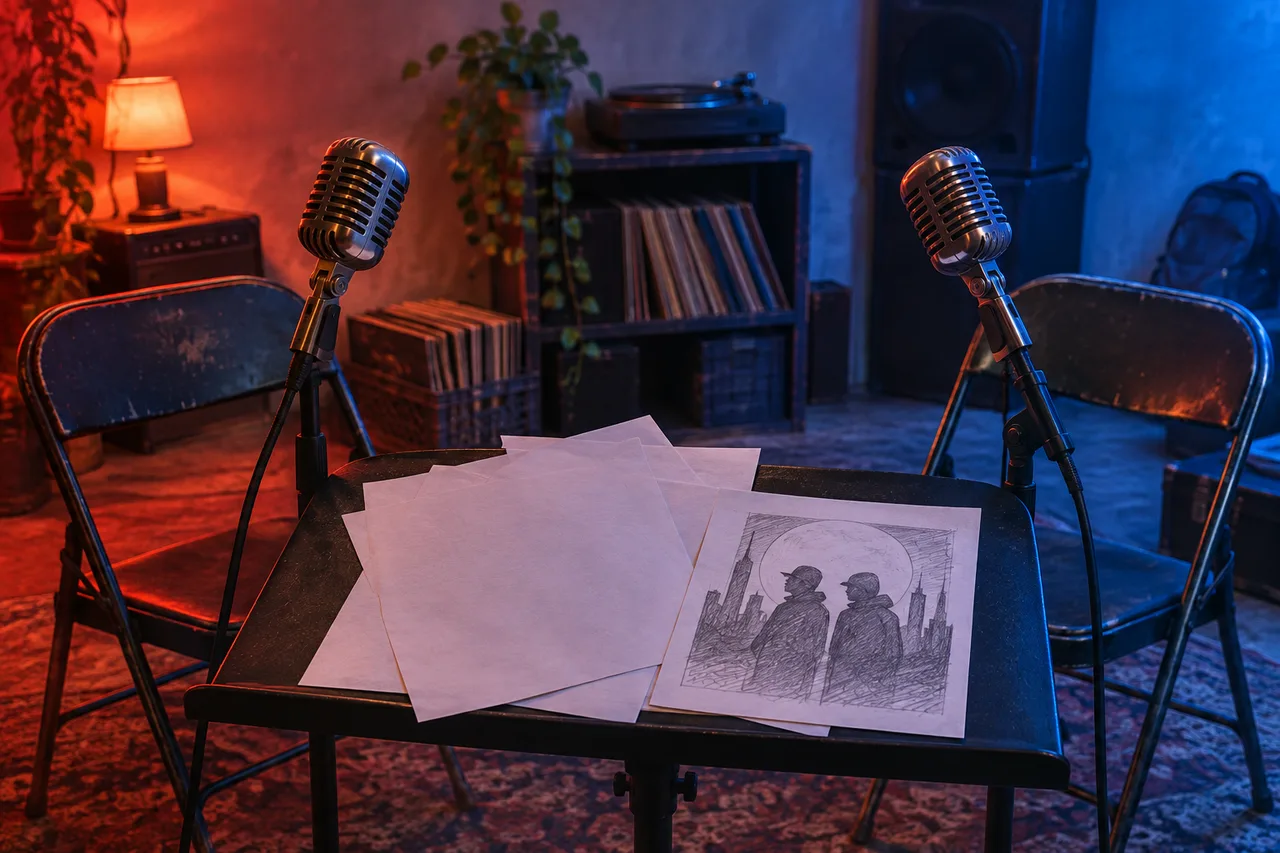
Two performers can both approve the words “late-night energy” and still picture different releases. One means a quiet recording after the last bus. The other means a crowded room just before the headliner starts. Ask either Gemini model for a mood board at this point and you may get a polished version of the wrong night.
In the Gemini 4 Carbon vs Gemini 4 Argon decision, the size of the disagreement matters more than the size of the release. Start with Argon when the duo already shares a direction and needs a usable handoff. Consider Carbon when the lyric notes, artwork references and performer approvals pull in different directions. Google’s Argon announcement and Carbon announcement explain the models’ positioning. The release choices below are an editorial exercise for a fictional act.
Ask for the missing decision first
Imagine that Vell and Moss have recorded a track called Last Bus Home. Vell wants the verses to sound intimate; Moss wants the chorus to feel communal. They have one evening to photograph the cover in their rehearsal room. They agree on two microphones, blue light and an empty chair. They disagree on whether the image should include their faces.
That final issue affects who attends the shoot, the framing and whether the art can be approved the same night. A model should not decide it by guessing what a rap cover usually looks like. Ask each performer for a yes or no on identifiable faces, then record the decision. Until both approve portraits, the two microphones are the workable option.
A one-page handoff for the photographer
Release. Last Bus Home, by Vell and Moss. The listener should feel as if two friends kept a conversation going after the room emptied.
Music note. The verses sound private and the chorus opens outward. Both performers will check that the artwork supports the track’s tone. No lyric text appears in the photograph.
Cover brief. Photograph two microphones at different distances from the camera, with two chairs facing inward. Keep a patch of uncluttered dark wall above them for the title added later. Preserve enough separation that the rear microphone remains visible in a small square thumbnail.
Open choice. Try a version with warm light on the near chair and cool light behind it. If the warm area overpowers the microphones, move the light; avoid asking the designer to repair a silhouette that disappeared during the shoot.
Approval. Vell checks the feeling of the frame. Moss reviews the thumbnail. Both approve the crop before the photographer delivers it to the designer.
Give the models different-sized jobs
Argon’s task can be quite small: turn the agreed notes into the five headings above and return every missing decision as a question. Read it once with the photographer’s constraints in mind. If it places the shoot outdoors, adds logos, or turns a tentative portrait suggestion into a requirement, correct the brief before handing it over.
If new notes arrive from the designer—perhaps the title now needs space at lower left—ask Carbon for a conflict review. Give it both versions and request three columns: original decision, conflicting request, and person who can resolve it. “Move the microphone” sounds neat until the thumbnail test reveals that the near chair blocks the second mic. Ask it to preserve the approved intent while naming that trade-off.
After the release direction is settled, the Rap Duos workspace offers a separate performance-making workflow. A text brief can travel to the photographer, designer or performers; it does not automatically load custom stage lighting or create a track. Keep the approved handoff beside the final cover so the duo can see which decisions survived the trip.